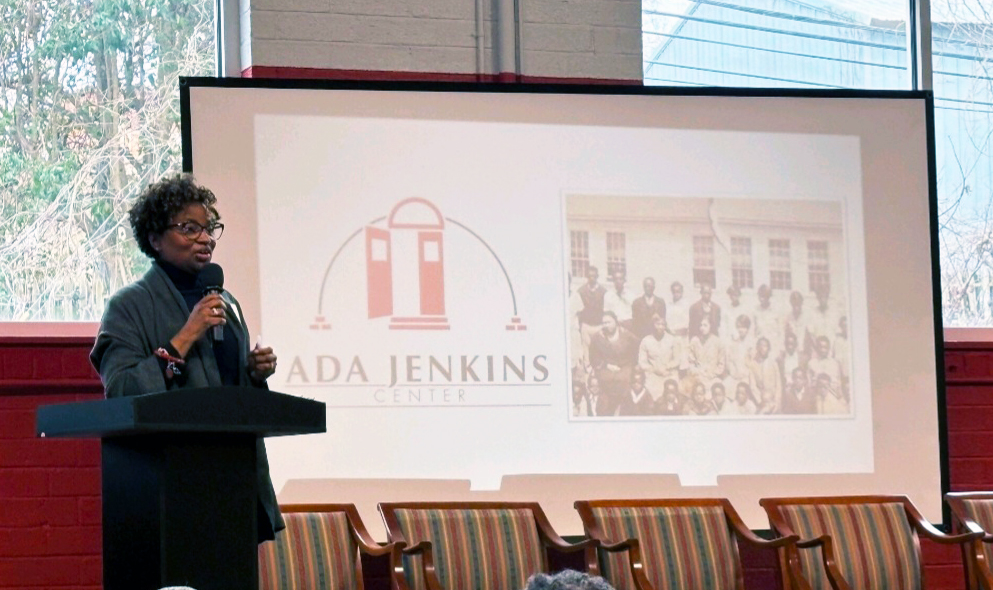
Ada Jenkins Center invited Helen Hope Kimbrough, principal of Spero Hawk, to moderate the inaugural Learning Together: The State of Education Summit in North Mecklenburg. With a reputable gathering of students, parents, educators, nonprofit leaders, and partners from across the region, this was an opportunity to engage more deeply on the educational ecosystem where every child (along with their family) is seen, supported, and valued.
Dr. Charlitta Hatch, CMS School Board Member of District 1, opened the summit with a powerful message focused on access, partnership, and alignment–not as abstract concepts, but as the pillars that shape children’s lives and experiences. She reminded everyone that education is both foundational and transformational, and that children need adults who are willing to be brave and courageous to do this work.
Her words set the tone for the day in an honest, hopeful, and human way.
Ada Jenkins Center made sure that different voices and perspectives were reflected. Thus, Spero Hawk engaged a panel of school, nonprofit, and community leaders who represented and spoke on the following themes:
The ongoing impact of COVID is real and continues to challenge learning, communication, and trust. Although the academic aftershocks remain, corporate and community partnerships continue to anchor students today.
Every child is unique, and the work begins with truly knowing them and building relationships with their families. For many, this could mean wraparound services, cultural understanding, and the belief that every child deserves to thrive.
For multilingual learners and students who learn differently, leaders highlighted the specific supports that are already in place along with the need to expand supports and resources so that no child feels left behind.
Technology and AI emerged, acknowledging that the landscape is shifting and it is important for students and families to understand these tools. Yet, the balance is keeping an emphasis on learning, play, and growth without screens and to use technology wisely.
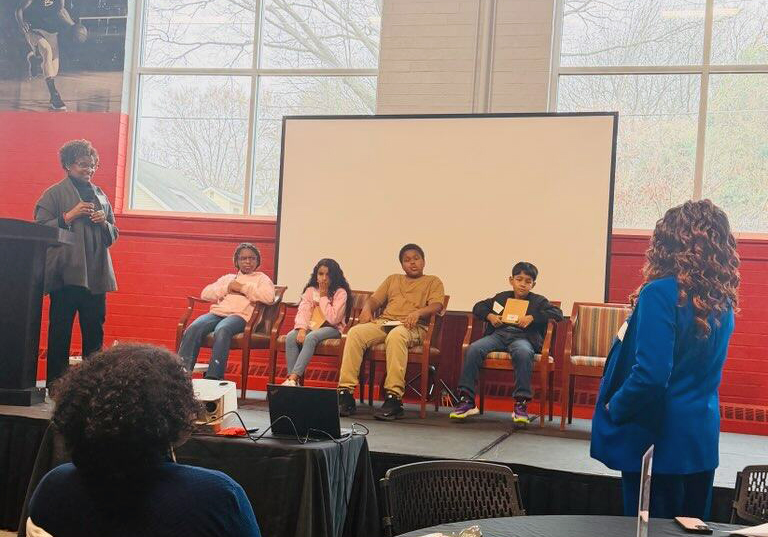
For additional perspectives and insight, a student panel of 3rd-6th graders spoke sincerely about their teachers and parents, but what stood out most was how often they mentioned their friends as a primary source of support when school feels hard. It was a reminder that peer groups shape confidence, resilience, and belonging in ways adults sometimes overlook.
Likewise, a high school senior added a powerful layer, speaking candidly about stress—especially for high-achieving students balancing AP/IB courses, sports, clubs, and expectations that can feel overwhelming. This student also pointed out inequities in access to ACT/SAT prep, noting that many of her peers are doing their best without the resources others take for granted.
Their honesty grounded the summit in lived experience, receiving a heartfelt applause.
By the end of the summit, the room felt lighter–not because the challenges disappeared, but because people felt connected, informed, and energized. The summit created space for vulnerability, truth-telling, and shared commitment, reminding everyone that improving education is not the job of one person or group—it’s the collective work of an entire community and a movement rooted in empathy, partnership, and possibility.
To learn more about the Ada Jenkins Center, visit www.adajenkins.org.